Patent Expiration and the Global Generics Window: A Strategic Guide for American Patients Ready to Save
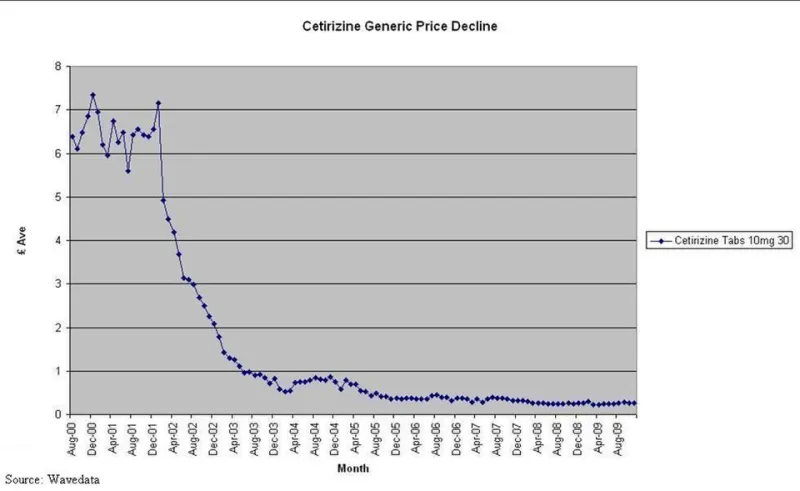
Photo: Charles Joynson - Managing Director, CC BY-SA 3.0, via Wikimedia Commons
Every year, a quiet but consequential countdown ticks away in pharmaceutical boardrooms, regulatory agencies, and patient advocacy offices alike. It is the countdown to patent expiration—the moment when a brand-name drug's legal exclusivity ends and the door opens for generic manufacturers to enter the market. For American patients paying some of the highest medication prices in the developed world, these expiration dates represent something meaningful: a genuine opportunity to access the same therapeutic compounds at a fraction of the cost.
But here is what many US patients do not realize. While domestic generic entry can take months or even years to fully materialize after a patent expires, international markets—particularly in India, Canada, Germany, and the United Kingdom—frequently have generic alternatives available far sooner and at prices that reflect true competition. Understanding this global generics landscape is no longer a niche concern reserved for policy analysts. It is increasingly practical knowledge for everyday Americans navigating the cost of chronic disease management.
What Is the Pharma Patent Cliff, and Why Does It Matter?
The term "patent cliff" refers to the period during which a significant number of high-revenue pharmaceutical patents expire within a relatively short window. Brand-name manufacturers typically hold market exclusivity for 20 years from the date a patent is filed—though the effective exclusivity period after FDA approval is often closer to 10 to 12 years. During that exclusivity window, no competitor can legally manufacture or sell the same molecule in the US market, which allows the originator company to set prices without competitive pressure.
When that exclusivity ends, the competitive landscape shifts. Generic manufacturers can file Abbreviated New Drug Applications (ANDAs) with the FDA, and once approved, they may sell bioequivalent versions at substantially lower prices. Historically, generic entry in the US has driven prices down by 80 to 85 percent within the first year of competition. That is a significant reduction—but the timeline to reach full price competition can be lengthy, and not all patients can afford to wait.
Globally, the dynamic is different. Countries with robust generic pharmaceutical industries—India being the world's largest producer—often have generic versions of major drugs available on local or export markets before or immediately upon US patent expiration. Other nations, including those in the European Union, operate under different patent frameworks and pricing negotiations that can accelerate access to affordable equivalents.
Major Medications Approaching Patent Expiration
Several high-profile, high-cost medications are entering or approaching their patent cliff periods, and American patients prescribed these drugs should be paying close attention.
Eliquis (apixaban), the widely prescribed blood thinner manufactured by Bristol-Myers Squibb and Pfizer, faced prolonged patent litigation that delayed US generic entry. However, generic apixaban has been available in several international markets, and domestic generic versions are now beginning to reach US pharmacies. Patients who have been paying $500 or more per month for brand-name Eliquis may soon find relief domestically—but those aware of international pricing have already identified significantly lower-cost options through licensed international suppliers.
Keytruda (pembrolizumab), Merck's blockbuster immunotherapy cancer drug, is projected to face patent expiration pressures later this decade. Given its annual cost in the US—which can exceed $150,000—the eventual arrival of biosimilar and generic competition will be consequential. International oncology centers in countries such as India and Turkey already have access to lower-cost pembrolizumab formulations through government negotiation frameworks.
Ozempic and Wegovy (semaglutide), the GLP-1 receptor agonists that have dominated headlines for their use in diabetes management and weight loss, carry patents that extend into the early 2030s in the US. However, compounded versions and international generic equivalents have already emerged in some markets, raising complex legal and safety questions that patients should discuss thoroughly with their physicians.
Xarelto (rivaroxaban) and Jardiance (empagliflozin) are additional examples of medications where international generic competition has developed ahead of or alongside US market entry, offering price benchmarks that informed American patients are beginning to use as leverage when discussing costs with their healthcare providers.
Why International Markets Respond Faster
The speed differential between international and US generic market entry is not accidental—it is structural. Several factors explain why other countries often see affordable generics sooner.
First, many countries do not recognize US patent extensions granted through mechanisms such as pediatric exclusivity or patent term restoration. A drug that retains an additional six months of US exclusivity due to pediatric trial requirements may face generic competition abroad during that same window.
Second, nations like India operate under a compulsory licensing framework that, under specific public health circumstances, permits local manufacturers to produce patented drugs without the originator's consent. This has historically made India a global hub for affordable generic production.
Third, European regulatory pathways for generics, while rigorous, operate on timelines that sometimes outpace FDA review queues—particularly when US litigation between brand-name manufacturers and generic challengers delays domestic approvals.
For American patients, this means that the global generics market functions as an early indicator of what domestic pricing could look like once competition fully matures.
How American Patients Can Act on This Information
Awareness is the first step, but practical application requires a careful, informed approach.
Consult your physician or pharmacist about upcoming generics. Healthcare providers who stay current on patent timelines can often advise patients on when a domestic generic may become available, allowing for informed decisions about whether to continue brand-name therapy or explore alternatives.
Use international drug databases as pricing benchmarks. Platforms that aggregate global drug pricing data allow patients to understand what a medication costs in Canada, the UK, or Australia—information that can be used in conversations with insurers or during prescription assistance program applications.
Explore FDA-approved international pharmacy options. The FDA maintains guidance on the importation of prescription drugs for personal use under specific conditions. Patients interested in this pathway should consult legal and medical professionals before proceeding, as regulations vary and safety verification is paramount.
Engage with patient advocacy organizations. Groups focused on drug pricing reform often publish patent expiration calendars and generic availability timelines, giving patients structured resources to plan ahead.
Ask about authorized generics. Some brand-name manufacturers release their own generic versions—known as authorized generics—simultaneously with or shortly after patent expiration. These are chemically identical to the brand but sold at lower price points, sometimes through specific pharmacy chains or discount programs.
The Broader Implication for US Drug Policy
The patent cliff is not merely a commercial event. It is a policy inflection point. Advocacy groups, lawmakers, and international health economists increasingly argue that the US system's tolerance for prolonged brand-name exclusivity—through layered patents, litigation settlements, and regulatory extensions—keeps American patients paying elevated prices long after global markets have moved on.
By understanding how the global generics ecosystem operates, American patients are better positioned to advocate for themselves, ask sharper questions of their providers, and make informed decisions about where and how they access their medications. The world's pharmaceutical supply chain is more interconnected than most patients realize, and knowledge of that interconnectedness is, increasingly, a form of healthcare empowerment.
At Health Pharmacy Worlds, our commitment is to bridge the information gap between global pharmaceutical developments and the everyday decisions American patients must make. Patent expirations are not footnotes in a regulatory calendar—they are turning points with real financial consequences for real families. Knowing when they occur, and what they mean internationally, is a practical tool every patient deserves to have.