The Global Supplement Gap: Clinically Validated Remedies That Europeans and Asians Swear By—But Americans Can Barely Access
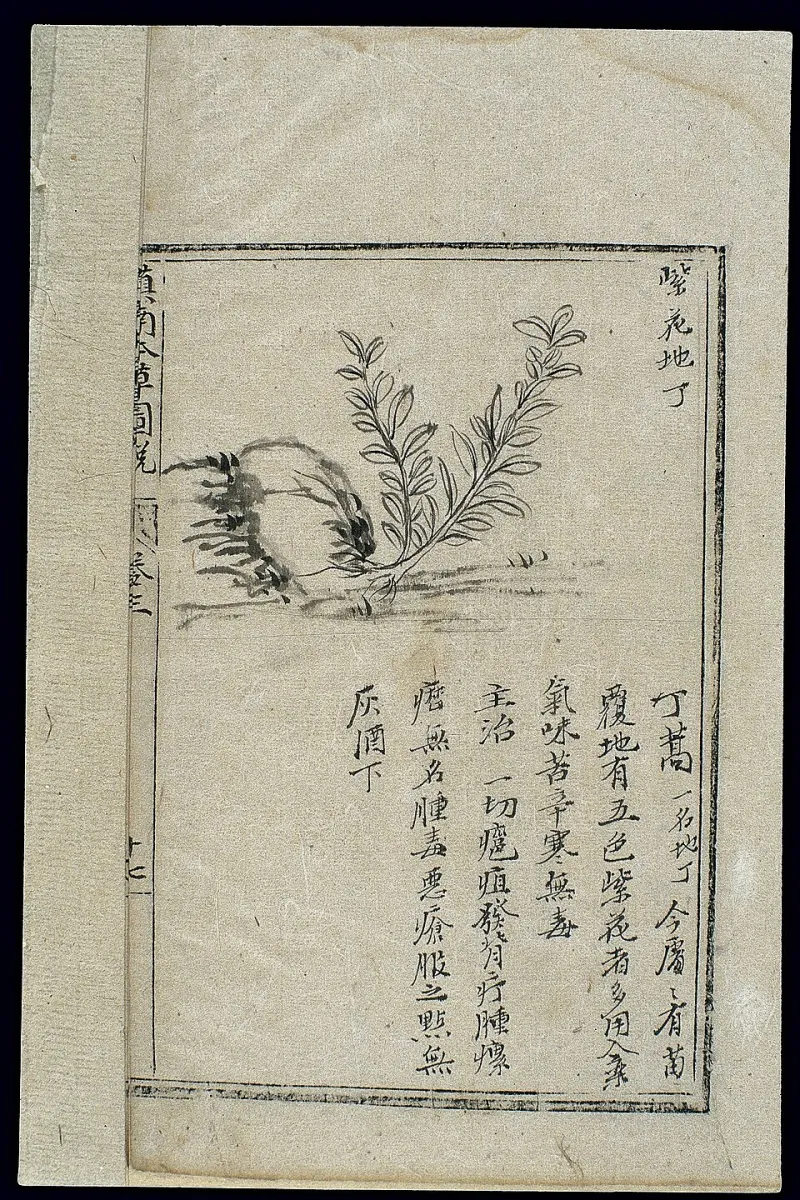
Photo: Unknown, CC BY 4.0, via Wikimedia Commons
Walk into a pharmacy in Munich, Tokyo, or Sydney, and you will encounter a category of health products that occupies a peculiar middle ground—not quite prescription drugs, not quite casual vitamins, but rigorously standardized, clinically studied, and often reimbursable under national health insurance schemes. Walk into a Walgreens or CVS in the United States, and that same middle ground is conspicuously empty.
The gap between what the rest of the developed world considers a validated wellness product and what Americans can readily access is wider than most people realize. It is not simply a matter of cultural preference. It is the direct result of divergent regulatory philosophies—and understanding that divide is the first step toward navigating it.
The Regulatory Fault Line
In the United States, dietary supplements are governed primarily by the Dietary Supplement Health and Education Act of 1994 (DSHEA). Under this framework, manufacturers are not required to demonstrate safety or efficacy before bringing a product to market. The FDA can intervene after the fact if a product proves harmful, but pre-market approval is not the standard. The practical consequence is a marketplace flooded with inconsistently formulated products of variable quality—and a regulatory agency with limited authority to clear the field.
Europe operates under a fundamentally different model. The European Union's Traditional Herbal Medicinal Products Directive, adopted in 2004, requires that herbal medicines meet defined standards of quality and safety before they can be sold. Germany's Commission E, a scientific advisory body that has been evaluating herbal remedies since the 1970s, has published monographs on hundreds of plant-based substances—documents that carry significant weight in European pharmacy practice. In Japan, the Ministry of Health, Labour and Welfare classifies certain traditional Kampo formulas as prescription medications, subject to the same manufacturing standards as synthetic pharmaceuticals.
The result is a paradox. Products with substantial clinical evidence behind them are tightly regulated and reliably standardized abroad—while in the United States, the same substances exist in a loosely supervised supplement market where potency and purity vary wildly from brand to brand.
Four Internationally Validated Supplements the US Market Has Yet to Fully Embrace
Silymarin (Standardized Milk Thistle Extract)
Milk thistle is widely available in American health food stores, but the version sold in Europe is a different proposition entirely. In Germany and several other EU countries, silymarin—the active flavonoid complex extracted from milk thistle—is available as a licensed pharmaceutical product under brand names such as Legalon, with standardized dosing and documented efficacy for liver conditions including cirrhosis and toxic liver damage. European clinical trials have demonstrated measurable hepatoprotective effects at standardized doses that are rarely achieved by the loosely formulated capsules sold in US supplement aisles. American consumers can purchase milk thistle domestically, but the likelihood of obtaining a therapeutically equivalent dose is considerably lower without pharmaceutical-grade standardization.
Maitake and Reishi Mushroom Extracts (Beta-Glucan Standardized)
In Japan and South Korea, certain mushroom-derived compounds—particularly beta-glucan extracts from maitake and reishi varieties—have been studied extensively in oncology support contexts and are administered alongside conventional cancer treatments in clinical settings. Lentinan, a polysaccharide derived from shiitake mushrooms, holds approved drug status in Japan. American consumers can find reishi and maitake supplements at natural health retailers, but standardization for active beta-glucan content is inconsistent, and no domestic product carries an equivalent clinical designation. The FDA has not approved any mushroom-derived compound as a drug, and the supplement versions available in the US are marketed only for general immune support.
Artichoke Leaf Extract (Cynara scolymus)
Artichoke leaf extract has accumulated a meaningful body of European clinical research supporting its role in managing mild hyperlipidemia and improving digestive function. German Commission E has approved it for dyspeptic complaints, and several randomized controlled trials conducted in the UK and Germany have demonstrated statistically significant reductions in total cholesterol at standardized doses. In the US, artichoke leaf extract is available as a supplement, but its clinical application is rarely discussed in conventional medical contexts, partly because the domestic product landscape does not reflect the pharmaceutical-grade standardization that underpins the European research.
Berberine (Pharmaceutical-Grade Formulations)
Berberine has attracted considerable attention in American wellness circles in recent years, particularly for its potential role in blood sugar regulation and metabolic health. In China, berberine is prescribed as a pharmaceutical agent for type 2 diabetes management and has an extensive clinical literature to support that application. The challenge for American consumers is that domestic supplement versions vary enormously in bioavailability and purity. Pharmaceutical-grade berberine formulations, studied in Chinese clinical trials, are not available as approved drugs in the US. Consumers purchasing supplement versions may be getting a fraction of the clinically studied dose—or a product of uncertain origin.
What the FDA's Position Actually Means for Consumers
The FDA's caution around many of these substances is not arbitrary. The agency operates under statutory constraints that require a different evidentiary standard for drug approval than is typically generated by traditional medicine research. Many international clinical trials, while credible, do not meet the specific design requirements the FDA mandates for new drug applications. That gap in trial design—not necessarily a gap in efficacy—is frequently what keeps a substance in the supplement aisle rather than the pharmacy.
It is also worth acknowledging that the FDA's post-market surveillance role has identified genuine safety concerns with some internationally popular supplements, including certain aristolochic acid-containing herbs common in traditional Chinese medicine. Regulatory caution, in those instances, has protected American consumers from documented harm.
The picture is therefore nuanced. The FDA's framework is not simply obstructionist—it reflects a specific philosophy about what constitutes sufficient evidence. But that philosophy does leave a meaningful clinical gap for substances with substantial international validation and reasonable safety profiles.
Legal Options for American Consumers
For Americans who wish to access internationally validated supplements, several legal avenues exist. Purchasing standardized European herbal preparations through licensed international online pharmacies that ship to the US is permitted for personal use under FDA guidelines, provided the quantities are consistent with personal consumption and the products do not contain controlled substances. Consulting with an integrative medicine physician who is familiar with international clinical literature can also help identify high-quality domestic supplement brands whose manufacturing standards more closely approximate pharmaceutical-grade European products.
Some compounding pharmacies in the United States can also prepare standardized formulations of certain herbal compounds for individual patients under physician supervision—an option that provides greater dosing precision than off-the-shelf supplements.
A World of Wellness, Partially Out of Reach
The global wellness landscape is rich with clinically examined, traditionally grounded health solutions that have earned a place in mainstream medicine across multiple continents. For American consumers, accessing that knowledge—and the products it supports—requires navigating a regulatory environment that has not yet fully accommodated the international evidence base.
At Health Pharmacy Worlds, we believe that informed patients deserve a complete picture of what the global health community has validated, even when domestic access remains limited. Understanding the regulatory divide is the foundation of that picture. What consumers choose to do with that understanding, in consultation with their healthcare providers, is the next step in a genuinely global approach to personal wellness.