Crossing the Border for Cheaper Drugs: What American Patients Must Know Before Buying Prescriptions From Canada or Mexico
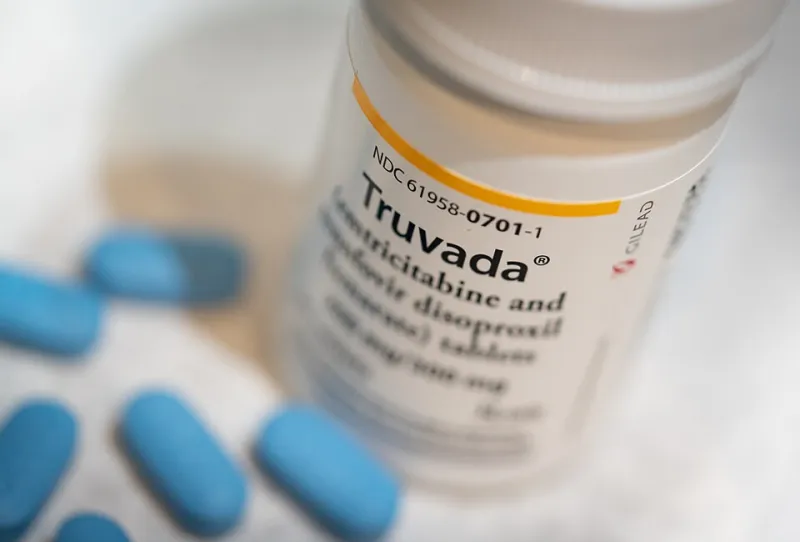
Photo: Tony Webster from Minneapolis, Minnesota, United States, CC BY-SA 2.0, via Wikimedia Commons
The Quiet Crisis Driving Americans Across the Border
For millions of Americans, the pharmacy counter has become a place of dread rather than relief. A monthly supply of a brand-name insulin can cost over $300 out of pocket in the United States, while the identical product — manufactured by the same company, to the same specifications — sells for under $40 in Canada. Cholesterol medications, blood pressure drugs, and specialty biologics tell a similar story. The price gap is not marginal; in many cases, it is staggering.
Faced with choosing between financial hardship and medical necessity, a growing number of patients are making a different choice entirely: they are going abroad, at least digitally. Cross-border prescription purchasing — sourcing medications from licensed pharmacies in Canada, Mexico, and other countries — has quietly become one of the most widespread forms of healthcare cost management in America. Estimates from advocacy groups suggest that several million Americans purchase at least some of their medications from international sources each year, though the decentralized nature of the practice makes precise figures difficult to confirm.
This article does not advocate for any particular course of action. Rather, it examines the landscape as it actually exists: the legal framework, the safety considerations, the legitimate services operating in this space, and the practical steps patients are taking to navigate it responsibly.
The Legal Gray Area Explained
Under current federal law, the personal importation of prescription drugs from foreign countries is technically prohibited by the Food, Drug, and Cosmetic Act. The FDA does not have the authority to approve foreign-manufactured drugs for sale in the United States unless those drugs have gone through its own regulatory process. On paper, that means purchasing a blood pressure medication from a Canadian pharmacy and having it shipped to your home in Ohio is a federal violation.
In practice, however, the FDA has long maintained an enforcement discretion policy that generally allows individuals to import a personal-use supply of medication — typically defined as a 90-day supply — provided the drug is not considered a public health risk, the individual has a valid prescription, and the medication is not a controlled substance. This policy is not a legal safe harbor; it is simply a statement of how the agency has historically chosen to allocate its enforcement resources.
Mexico operates somewhat differently. Americans who physically cross into Mexican border cities such as Tijuana, Ciudad Juárez, or Nogales can legally purchase certain medications over the counter that require a prescription in the United States, and they may legally bring a personal-use quantity back across the border. Customs and Border Protection generally permits travelers to carry up to a 90-day personal supply, provided the medication is declared and not a controlled substance.
Several U.S. states, including Florida and Texas, have taken steps to formally authorize importation programs from Canada for state-funded health programs — a development that reflects growing bipartisan recognition that the status quo is unsustainable.
Profiles in Cross-Border Purchasing
The patients navigating this landscape are not outliers. They are retirees on fixed incomes, small-business owners without employer-sponsored insurance, and working families caught in high-deductible plan structures that leave them fully exposed to list prices.
Consider the experience common among Americans managing chronic conditions like Type 2 diabetes or rheumatoid arthritis. A patient in rural Arizona might discover that a 90-day supply of a name-brand medication costs $480 at their local pharmacy, while a licensed Canadian pharmacy — verified through the Canadian International Pharmacy Association (CIPA) — offers the same drug, from the same manufacturer, for $110 including shipping. The math is not complicated.
Others travel physically. A retired couple living near San Diego might make a monthly trip across the border to Tijuana, where licensed pharmacies dispense a range of medications at prices that can be 60 to 80 percent lower than U.S. retail. For them, the trip doubles as a social outing and a practical financial strategy.
How Legitimate Cross-Border Pharmacy Services Operate
Not all international pharmacy options are equivalent, and this distinction is critical. The internet is populated with fraudulent operations that sell counterfeit, substandard, or mislabeled drugs. These are genuine dangers, and they are the primary reason that blanket caution about cross-border purchasing is warranted.
Legitimate cross-border pharmacy services, however, operate under meaningful regulatory oversight. In Canada, provincially licensed pharmacies are required to dispense medications only upon receipt of a valid prescription, to employ licensed pharmacists, and to source drugs from approved domestic suppliers. The Canadian International Pharmacy Association maintains an accreditation program, and its member pharmacies undergo regular verification. PharmacyChecker.com, an independent U.S.-based verification service, also evaluates and rates international online pharmacies against a set of safety and legitimacy criteria.
Mexican pharmacies authorized by COFEPRIS, Mexico's federal health regulatory commission, operate under their own set of standards. While oversight varies by region, licensed pharmacies in major border cities generally stock authentic medications from recognized manufacturers.
A Practical Safety Checklist for Patients Considering Cross-Border Purchasing
For Americans who choose to explore this option, a methodical approach to verification is non-negotiable. The following checklist reflects the steps that informed patients and patient advocacy organizations recommend:
Before You Purchase:
- Verify that the pharmacy is licensed in its country of operation. For Canadian pharmacies, check CIPA membership at cipa.com. For online pharmacies of any origin, consult PharmacyChecker.com.
- Confirm that the pharmacy requires a valid U.S. prescription before dispensing. Any operation willing to sell prescription drugs without one should be avoided entirely.
- Research whether your specific medication is available in the same formulation, strength, and manufacturer as your U.S. prescription.
- Consult your prescribing physician. Beyond being a sound medical practice, this conversation can also reveal whether patient assistance programs or domestic discount options have been overlooked.
- Check that the medication is not a controlled substance, as these are subject to stricter importation rules.
When Ordering or Traveling:
- Use a credit card, which provides some consumer protection in the event of a dispute.
- Keep a copy of your prescription and any correspondence with the pharmacy.
- Do not exceed a 90-day personal-use supply in a single transaction.
- Declare medications when crossing a physical border. Failure to declare is a separate legal issue from importation itself.
Upon Receipt:
- Inspect packaging carefully. Authentic medications should arrive in original, sealed manufacturer packaging with intact labeling in the appropriate language.
- Cross-reference the pill's appearance with verified reference images if any doubt exists.
- Report any suspected counterfeit or substandard product to the FDA's MedWatch program.
What This Trend Reveals About the American Healthcare System
The scale of cross-border prescription purchasing is, at its core, an indictment of domestic drug pricing structures. When patients are compelled to seek medications from foreign pharmacies simply to afford the treatments their physicians have prescribed, it signals a systemic failure that policy interventions alone have not yet resolved.
For readers of Health Pharmacy Worlds, this global perspective is precisely the point. The international pharmaceutical marketplace is not a loophole or an anomaly — it is a window into what drug pricing can look like when different regulatory and market structures apply. Understanding that landscape, and navigating it with appropriate care and information, is increasingly part of what it means to be an informed healthcare consumer in the United States today.